The key idea
Pico is not a guarantee of better melasma clearance. Treatment response, unwanted pigment changes, and recurrence all matter.
What the two treatment names mean
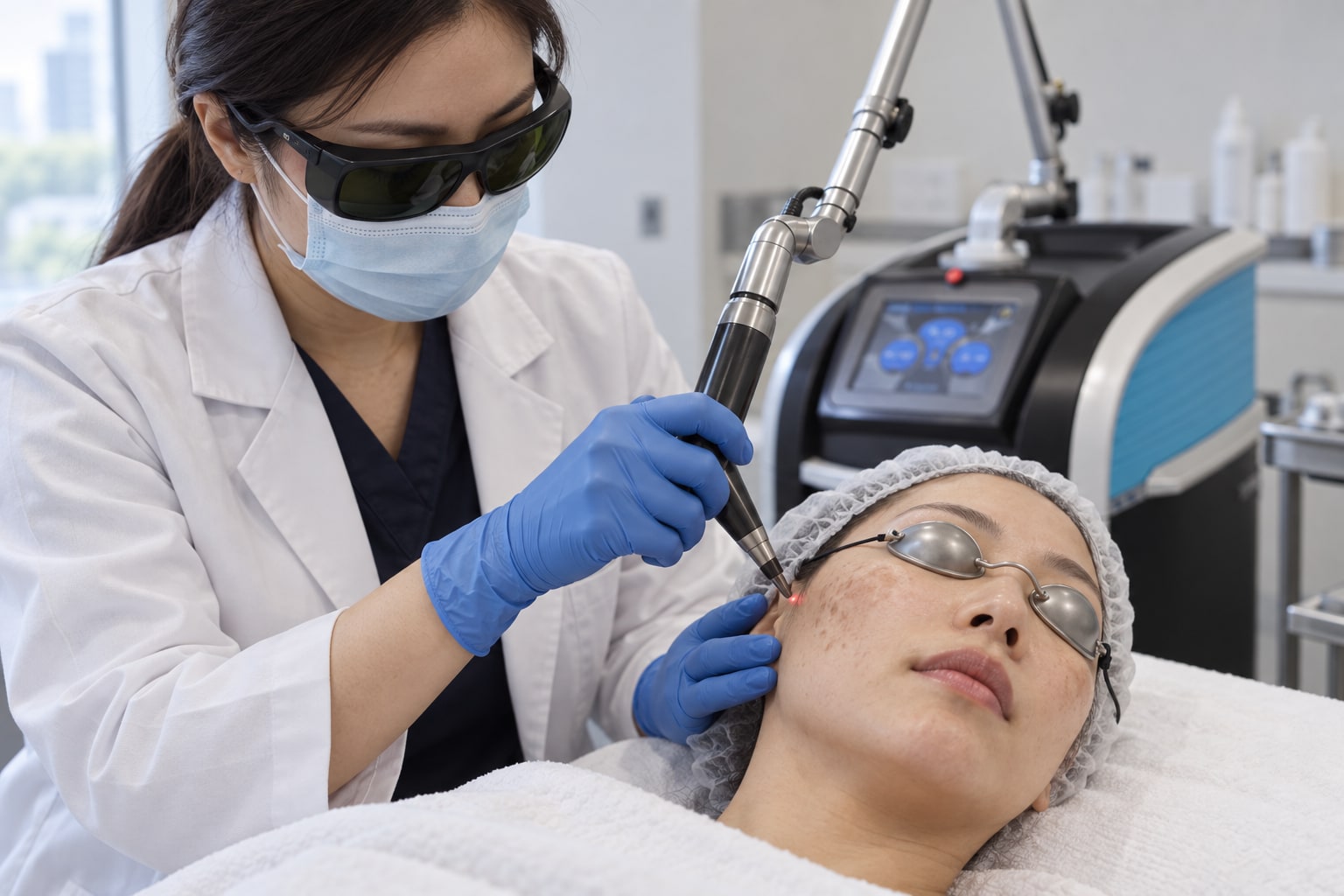
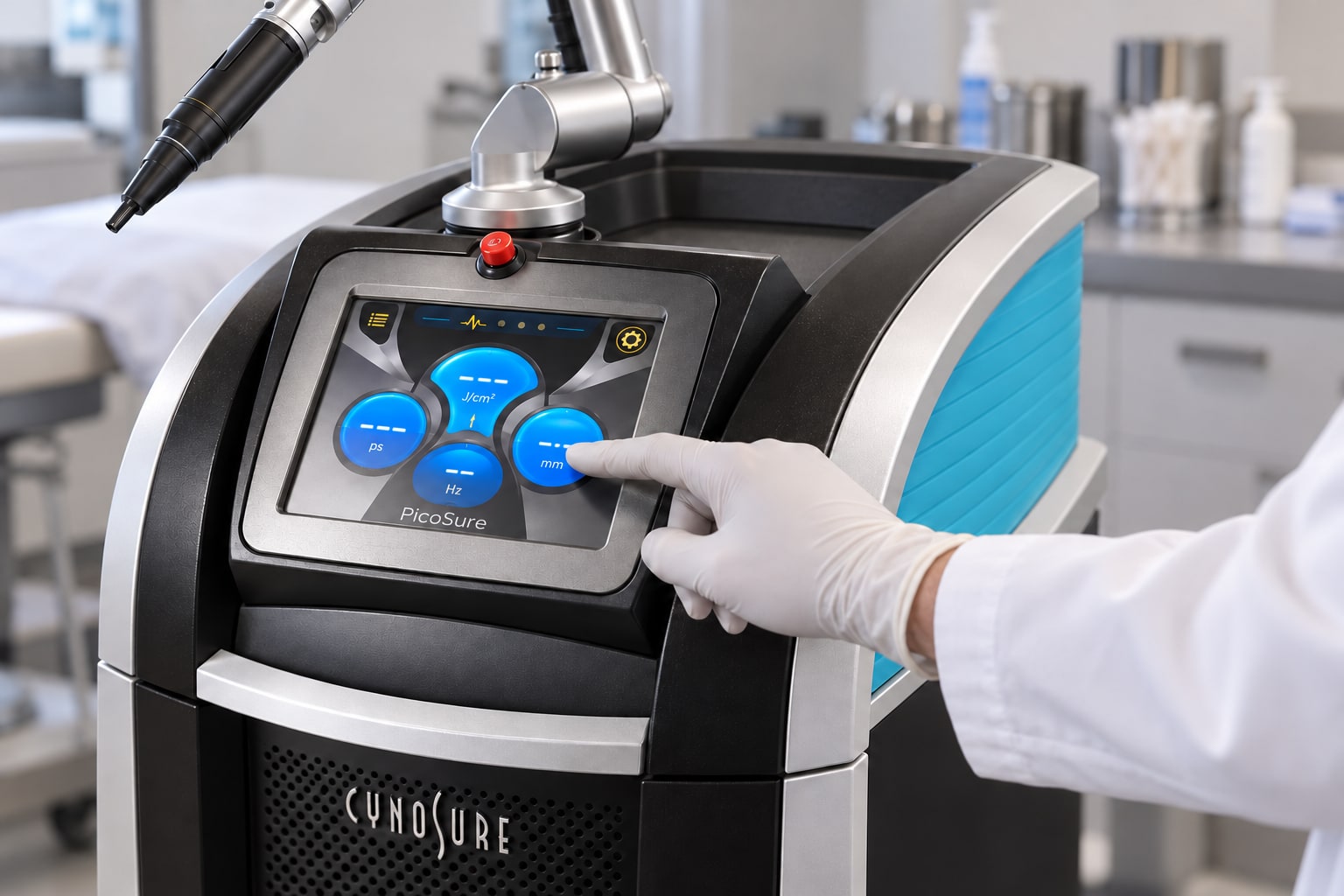
Conventional laser toning usually refers to repeated, low-fluence 1064 nm Q-switched Nd:YAG treatment. Pico toning uses pulses in the much shorter picosecond range, with the wavelength and mode depending on the device.
A shorter pulse can produce a higher peak output and stronger photomechanical effects under comparable conditions. That physical advantage does not automatically establish greater clinical benefit for melasma.
Comfort and safety are different from clearance
The original reviews a comparative meta-analysis reporting advantages for picosecond lasers in pain and unwanted darkening or lightening, particularly in Asian cohorts. It did not establish consistently superior clearance of endogenous pigment disorders.
Results pooled across different diseases, wavelengths, and protocols are not a promise for a specific treatment. Pico treatment can still cause post-inflammatory hyperpigmentation or hypopigmentation.
Why melasma is more than accumulated pigment
Melasma involves melanocyte activity, ultraviolet exposure, inflammation, vascular changes, and changes associated with photoaging and the skin's supporting structures. Pigment fragmentation is only part of the picture.
Small split-face trials comparing pico and Q-switched treatment found improvement on both sides without a consistent advantage in melasma severity. Findings about pain or safety can differ between individual studies.
Improvement and recurrence need separate assessment
The original discusses follow-up studies in which improvement was followed by renewed pigment. A later increase from the best result may matter to the patient even when it does not meet a study's predefined recurrence threshold.
Recurrence rates change with the definition, comparison point, and follow-up period. A single patient's photograph or a small difference in percentages cannot establish which device prevents recurrence better.
A longer-term treatment plan
Review the diagnosis, skin type, past response, and any history of treatment-related pigment changes. The wavelength, delivery mode, and operator's settings are part of the treatment—not details that disappear when a machine is called pico.
Sun protection and an individualized maintenance plan matter because melasma can return. Device choice should be discussed alongside the condition's course and the approach to recurrence, rather than as a one-off pigment removal decision.
Questions that clarify the comparison
Ask what improvement is expected, how it will be measured, which adverse pigment changes are possible, and how the plan will respond if melasma returns.
The fair comparison is the complete treatment experience: effectiveness, tolerability, safety, and maintenance. Neither pico nor conventional toning promises complete, permanent clearance.
Your next step
Plan a pigmentation consultation around your trip
Bring your visit dates and questions about diagnosis, proposed treatment and follow-up. Ask the clinician what fits your circumstances.
Continue to Keauty onboarding to organize your preferences. A clinician makes the final treatment decision.
Selected references from the original
Edited and translated from Dr. Youro Kang’s Naver blog with permission. This is an adapted article, not a full reproduction. The original publication date is shown above.
피코토닝 vs 일반 레이저토닝, 기미에는 뭐가 더 좋을까?
Read the Korean original on NaverAbout the author

Dr. Youro Kang · 강유로
Physician · Treatment article author
Dr. Youro Kang (강유로) is a graduate of Inha University College of Medicine and a former clinic director at PPEUM Clinic, Hongdae branch. The treatment articles are adapted for the Keauty journal from the original Korean-language writing.
View full profileThe Keauty Medical Board manages this blog. Authorship and any article-specific medical review are credited separately.