The key idea
Skin Botox may improve some surface concerns, but shallow injection does not guarantee that facial muscles will be unaffected.
The same ingredient, a different target
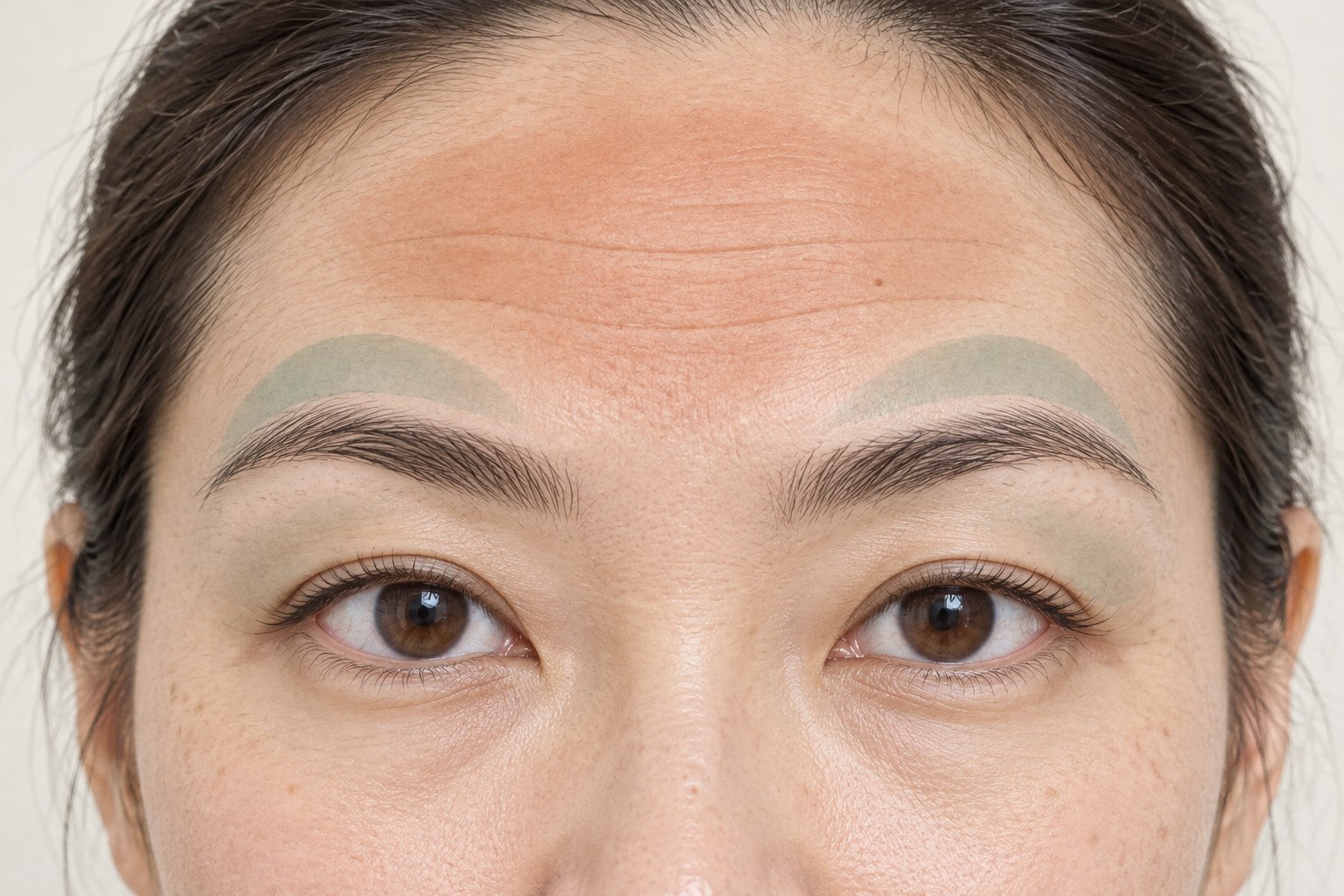
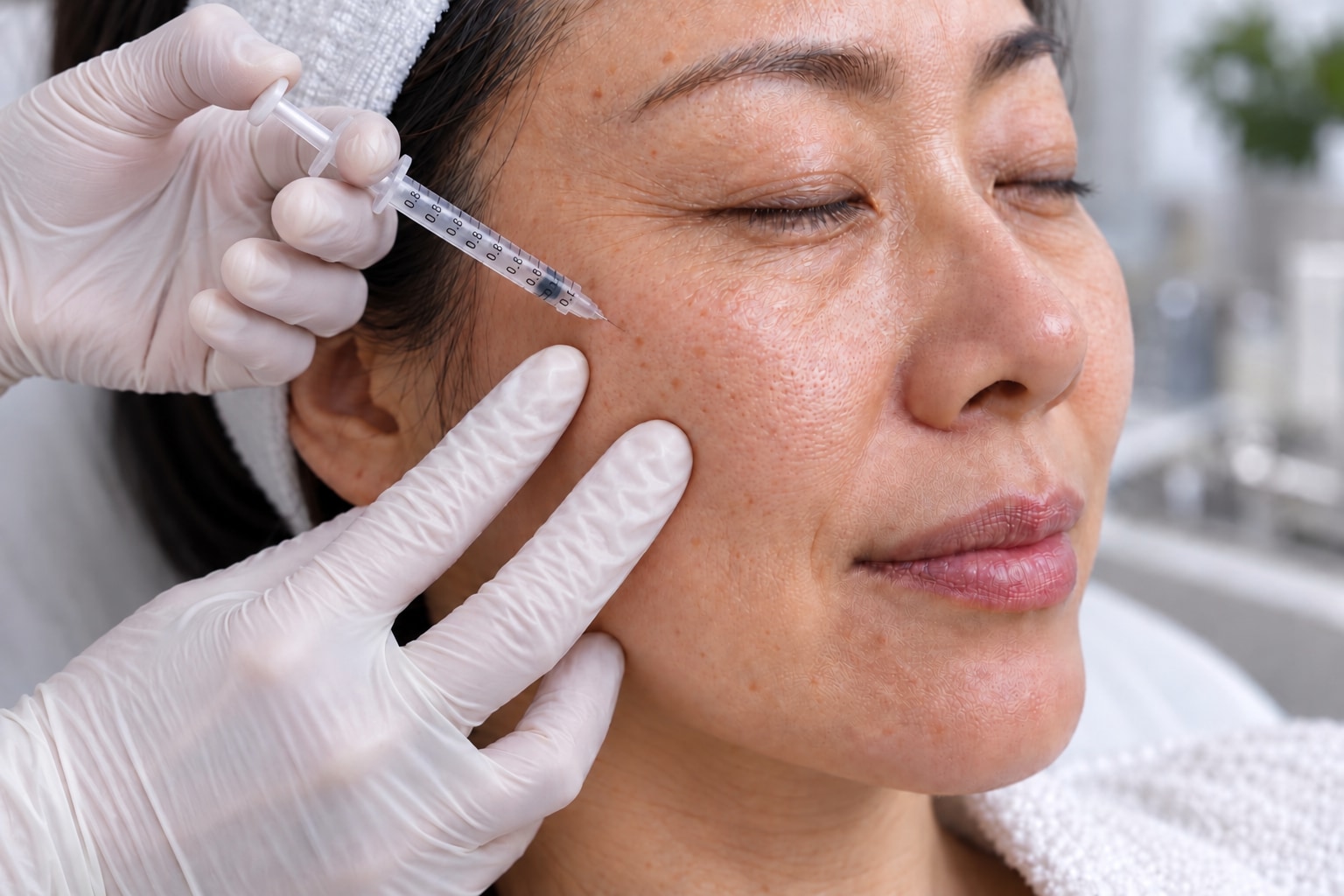
Conventional Botox targets a particular muscle to reduce movement-related wrinkles or muscle bulk. Skin Botox uses botulinum toxin in small, distributed injections within or just beneath the dermis, aiming at texture, fine lines, oiliness, and the appearance of pores.
The distinction is the target and technique, rather than a separate class of toxin or a treatment that is automatically better. Dose, dilution, depth, and the area treated all matter.
Can it change your smile?
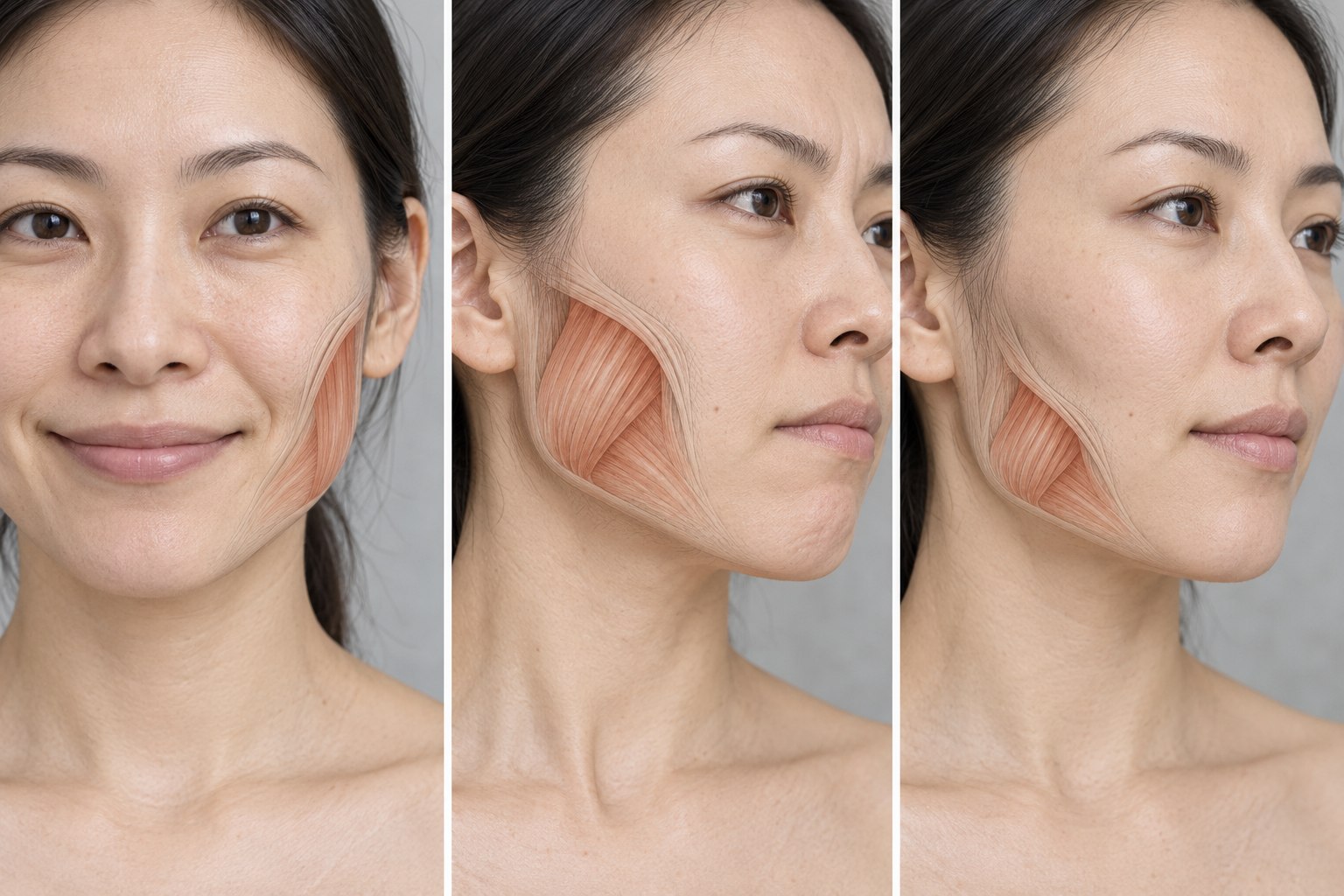
Facial expression muscles lie close to the skin, and some fibres attach directly to it. A shallow injection can still affect nearby muscles involved in smiling or moving the lips. Small studies have reported unwanted muscle weakness; a single case cannot establish the risk for every technique.
Tell your doctor about existing asymmetry or discomfort after earlier toxin treatment. Assessing movement before treatment helps plan around the way your face actually works.
What can pores and sebum realistically do?
Botulinum toxin inhibits acetylcholine release at nerve endings. Its influence on signals associated with sebum production is one proposed explanation for reduced oiliness, but it does not remove sebaceous glands.
Small split-face trials have produced mixed results for pores and sebum. Some found improvement, while another did not establish a significant advantage over saline for these outcomes. Less visible pores do not mean permanently eliminated pores, and deep acne scars require a separate assessment.
Texture, timing, and hydration
Some studies observed texture and wrinkle changes over roughly eight to twelve weeks, and other outcomes were assessed for up to four months. These are study observations, rather than a guaranteed duration for an individual.
Early swelling can obscure the result, so immediate appearance is not a reliable assessment. A smoother or more luminous surface also does not prove better hydration. Dryness, deep folds, substantial sagging, and volume loss may call for a different approach.
Repeated treatment and resistance
Neutralizing antibodies can interfere with botulinum toxin, although reduced benefit has other explanations, including dose, target, product, and the timing of assessment. A disappointing result alone does not diagnose antibody-mediated resistance.
Review your whole toxin history, including forehead, frown-line, and jaw treatments. Avoid repeatedly adding injections at short intervals without reassessing the plan; no fixed interval guarantees that resistance cannot occur.
Side effects and the next conversation
Pain, redness, swelling, bruising, and small injection bumps can occur. Bigger bumps do not indicate greater benefit. If expression changes, compare your earlier and current movement with your treating clinician rather than assuming a fixed recovery deadline.
There is insufficient evidence to promise that radiofrequency or steroid injections reliably reverse toxin-related muscle weakness. Additional toxin may alter the other side as well. Difficulty swallowing or breathing, or visual changes, needs prompt medical assessment. Ask which concern is being targeted and how natural expression will be protected.
Your next step
Prepare your botulinum toxin consultation
Bring questions about the brand, units, intended areas and expression goals. Ask the clinician to explain the proposed plan before comparing quotes.
Continue to Keauty onboarding to organize your preferences. A clinician makes the final treatment decision.
Selected references from the original
Edited and translated from Dr. Youro Kang’s Naver blog with permission. This is an adapted article, not a full reproduction. The original publication date is shown above.
스킨보톡스 효과! 모공, 잔주름에 얼마나 도움될까? 일반 보톡스와 차이
Read the Korean original on NaverAbout the author

Dr. Youro Kang · 강유로
Physician · Treatment article author
Dr. Youro Kang (강유로) is a graduate of Inha University College of Medicine and a former clinic director at PPEUM Clinic, Hongdae branch. The treatment articles are adapted for the Keauty journal from the original Korean-language writing.
View full profileThe Keauty Medical Board manages this blog. Authorship and any article-specific medical review are credited separately.